El Salvador Currency: What You Need to Know Before You Visit!
One of the first questions from travelers planning their El Salvador adventure ask is: “What currency does El Salvador use?” If you are traveling from the United States, you already use the right currency. And if you’re coming from Europe, Asia, South America, or anywhere else in the world, here’s the good new; El Salvador uses one of the most widely recognized currencies on the planet – the US Dollar ($), making your trip planning much simpler than you might expect.
What Is El Salvador’s Currency?
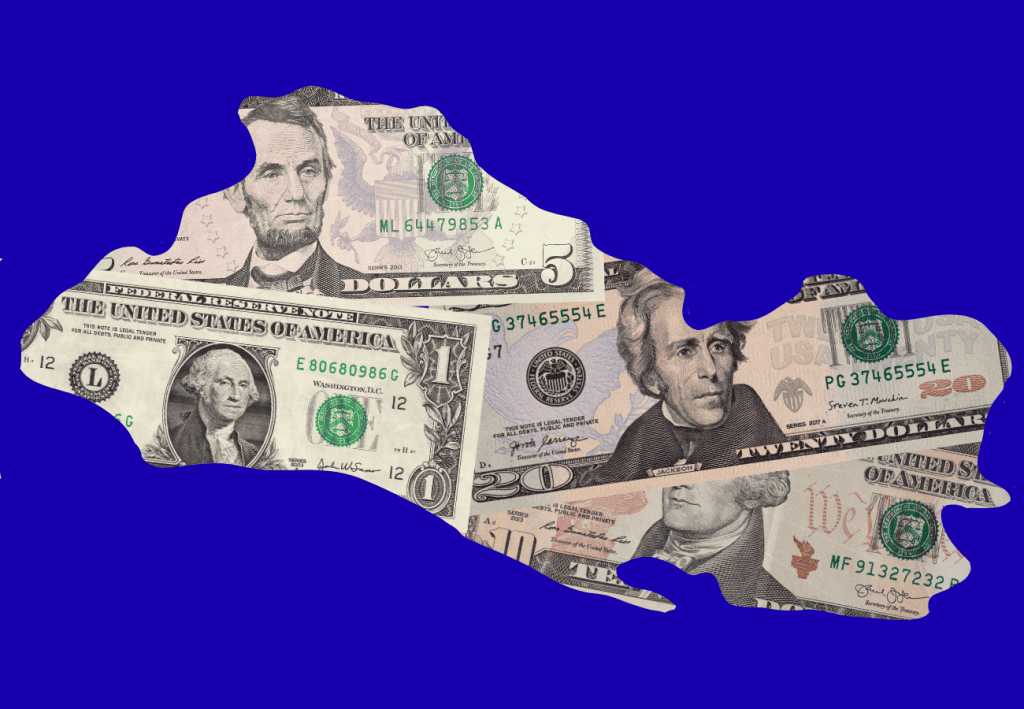
El Salvador uses the United States Dollar (USD) as its official currency. That’s right, no currency exchange needed if you’re traveling from the U.S.!
Since 2001, El Salvador has used the dollar exclusively, making it one of the few countries outside the United States to adopt the USD as its official currency.
Quick Facts About El Salvador’s Currency
• Official Currency: United States Dollar (USD)
• Year Adopted: 2001, replacing the Salvadoran colón
• Why the Change?: El Salvador adopted the U.S. dollar to stabilize its economy, reduce inflation, and strengthen trade relationships with the United States
• Coins & Bills: Standard U.S. denominations $1, $5, $10, $20, $50, and $100 bills, plus pennies, nickels, dimes, and quarters
• Bitcoin as Legal Tender: In 2021, El Salvador became the first country to adopt Bitcoin as legal tender alongside the U.S. dollar. While acceptance varies, you’ll find Bitcoin-friendly businesses in tech-forward areas like Surf City (El Zonte) and the planned Bitcoin City near the Gulf of Fonseca, where crypto enthusiasts gather and some hotels, restaurants, and surf shops accept digital payments
• CASH Is Still King: While major cities accept cards, carrying cash is essential when visiting smaller towns, local markets, beach communities, and rural areas
• ATMs Available: Reliable ATM machines and banking institutions are available in all major cities including San Salvador, Santa Ana, San Miguel, and popular tourist areas
• Credit Cards: Major credit cards are taken in larger cities, like San Salvador, Santa Ana, San Miguel and major urban areas. But again Cash is King!
Money Tips for Traveling in El Salvador
Before You Arrive
Bring smaller bills ($1, $5, $10, and $20) whenever possible. Many small businesses, street vendors, and rural shops struggle to make change for $50 or $100 bills.
In Major Cities
San Salvador, Santa Ana, and other urban centers have plenty of ATMs from trusted banks like Banco Agrícola, Banco Cuscatlán, and Scotiabank. These machines are safe and reliable, though we recommend using ATMs inside banks or shopping centers during daytime hours.
In Smaller Towns
When we travel to places like the Ruta de las Flores or coastal villages like El Cuco, we always make sure to have plenty of cash on hand. Many family-run restaurants, local artisans, and small guesthouses only accept cash.
Digital Payments
El Salvador has also embraced Bitcoin as legal tender since 2021, though cash remains the most widely accepted and practical option for everyday transactions.
Travel Tip:
“One of the things I love most about El Salvador using the U.S. dollar is how it removes one of the biggest travel headaches for visitors. You don’t lose money on crazy exchange rates, you don’t need to calculate conversions in your head, and you can focus on what really matters, experiencing the warmth of Salvadoran hospitality and the beauty of this incredible country. Just remember: grab some cash before heading to the beach towns or mountain villages, and you’ll be all set!” Dora